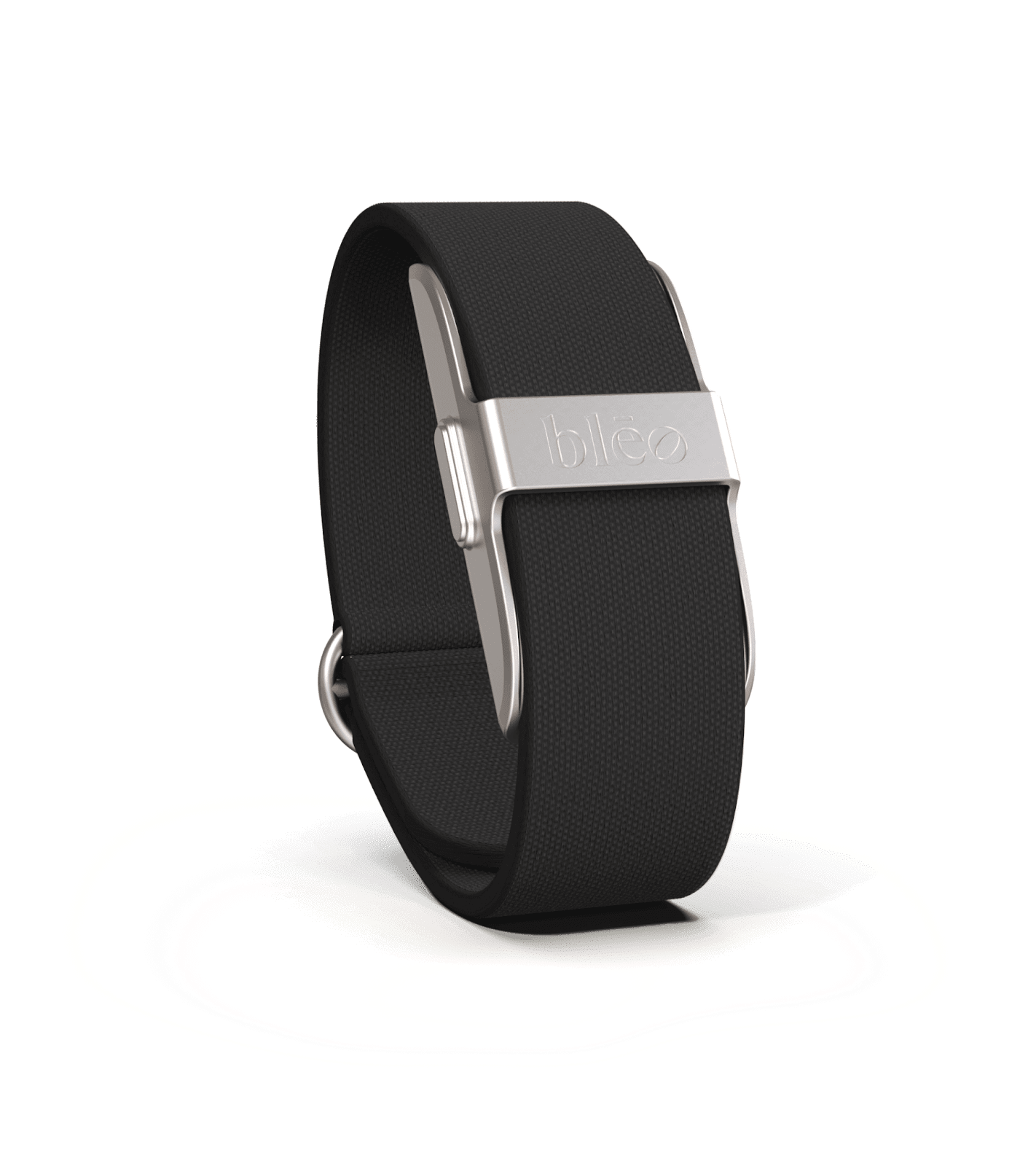
Whoop Band Alternative: Exploring the Best Options for Smarter Fitness Tracking

When it comes to advanced fitness tracking and performance monitoring, the Whoop band has made a name for itself as a leading tool among athletes, biohackers, and health enthusiasts. It provides deep insights into recovery, strain, and sleep, helping users optimize performance and longevity. However, Whoop isn’t the only player in this space — several other brands have developed impressive Whoop band alternatives that offer comparable or even superior features, often at a more affordable price or with a different focus.
In this article, we’ll explore the top alternatives to the Whoop band, analyze their pros and cons, and discuss how they fit into the growing category of fitness wearables for longevity.
Understanding the Whoop Band and Its Purpose
Before diving into alternatives, it’s essential to understand what makes the Whoop band unique. Unlike typical smartwatches, Whoop focuses purely on performance analytics rather than notifications or apps. It continuously tracks three key metrics:
- Strain – measures cardiovascular exertion throughout the day.
- Recovery – assesses how ready your body is to perform, based on heart rate variability (HRV), resting heart rate, and sleep quality.
- Sleep – analyzes sleep cycles and provides recommendations for optimal rest.
Whoop operates on a subscription model, meaning users pay a monthly or annual fee to access the analytics dashboard. This data-driven approach is excellent for serious athletes, but casual users or those focused on long-term wellness might prefer other devices that balance health insights with convenience.
Why Look for a Whoop Band Alternative?
While Whoop is an impressive device, it’s not for everyone. Here are a few reasons people seek alternatives:
- Subscription Model Costs – Continuous payment may not appeal to everyone, especially when other brands offer one-time purchases.
- No Screen Interface – Some users prefer having real-time data on a display.
- Limited Smartwatch Features – Whoop is a pure tracker, not a smartwatch.
- Design Preferences – Some users may want a sleeker or more versatile design.
Fortunately, the market for fitness wearables has exploded with innovation, offering a range of devices designed for athletes, longevity enthusiasts, and everyday health-conscious individuals.
Top Whoop Band Alternatives
1. Oura Ring (Gen 3)
The Oura Ring is perhaps the closest competitor to the Whoop band in terms of data quality and focus on recovery. Unlike wristbands, the Oura is worn on the finger, which allows for highly accurate readings of heart rate and body temperature.
Key Features:
- Tracks sleep quality, readiness, and activity levels.
- Measures heart rate variability and body temperature continuously.
- Lightweight titanium design with up to 7 days of battery life.
- No subscription required (though optional premium features exist).
Why It’s a Great Whoop Alternative:
The Oura Ring focuses on holistic health and recovery insights, offering deep analytics for optimizing rest and performance. Its discreet form factor and long battery life make it a top choice for users who value comfort and accuracy.
2. Garmin Vivosmart 5 / Forerunner Series
Garmin has long been a leader in performance tracking, and its wearables provide robust insights for athletes and wellness enthusiasts alike.
Key Features:
- Tracks heart rate, sleep, stress, and recovery metrics.
- Advanced training readiness and body battery metrics.
- Built-in GPS in some models for precise activity tracking.
- Works without a subscription.
Why It’s a Great Whoop Alternative:
Garmin’s devices offer exceptional data accuracy and depth without locking users into a subscription. The “Body Battery” metric gives a similar measure of readiness and recovery as Whoop, making it one of the best performance-tracking tools available.
3. Apple Watch Ultra / Series 9
For those who want the best of both worlds — fitness tracking and smartwatch functionality — the Apple Watch is hard to beat.
Key Features:
- Tracks HRV, blood oxygen, ECG, sleep stages, and workouts.
- Provides fitness rings that motivate daily activity.
- Integrates seamlessly with Apple Health and third-party fitness apps.
- Offers notifications, GPS, and extensive app support.
Why It’s a Great Whoop Alternative:
The Apple Watch provides solid recovery and health data while also functioning as a full smartwatch. With the latest watchOS updates, features like sleep stage tracking and heart rate variability have become increasingly accurate, appealing to both athletes and general wellness users.
4. Fitbit Charge 6 / Sense 2
Fitbit remains one of the most accessible and user-friendly fitness trackers on the market.
Key Features:
- Tracks heart rate, stress, sleep, and activity metrics.
- Provides “Daily Readiness Score” (similar to Whoop’s recovery score).
- Long battery life and simple user interface.
- Works with Google Fit and Fitbit Premium.
Why It’s a Great Whoop Alternative:
Fitbit offers many of the same insights as Whoop but at a much lower cost. It’s perfect for those who want detailed wellness data without committing to a high subscription or complex setup.
5. Polar Ignite 3 / Vantage V3
Polar is a favorite among endurance athletes and offers one of the most advanced heart rate and recovery tracking systems in the industry.
Key Features:
- Precision Prime sensor for highly accurate HR data.
- Nightly Recharge and Sleep Plus Stages for deep recovery insights.
- Training Load Pro and Recovery Pro metrics for serious athletes.
- Excellent battery life and clear display.
Why It’s a Great Whoop Alternative:
Polar wearables are designed for serious training optimization, making them ideal for athletes focused on maximizing performance. Their recovery and training balance metrics rival Whoop’s analytical depth.
Choosing the Right Fitness Wearable for Your Goals
When selecting a Whoop band alternative, it’s important to align the device with your fitness and health goals. Consider the following factors:
- Recovery Focused: Oura Ring or Polar for deep recovery metrics.
- Performance Focused: Garmin or Polar for athletes and runners.
- Lifestyle Focused: Apple Watch or Fitbit for overall wellness and convenience.
- Budget Friendly: Fitbit Charge 6 or Garmin Vivosmart 5.
Each device excels in certain areas — from precision analytics to smartwatch functionality — so the right choice depends on whether you prioritize recovery, training, or everyday wellness.
The Role of Fitness Wearables for Longevity
Beyond performance and athletic training, fitness wearables for longevity are becoming central to modern health management. These devices empower users to take a proactive approach to their well-being by providing continuous feedback on vital metrics like sleep, heart rate variability, stress, and recovery.
Long-term health optimization relies on balance — managing strain, ensuring adequate recovery, and maintaining metabolic health. Wearables now allow users to spot early signs of fatigue, overtraining, or poor sleep patterns before they develop into chronic issues.
For those focused on living longer and healthier, these devices serve as digital health companions, offering real-time biofeedback and personalized recommendations. They make it easier to adjust training intensity, nutrition, and rest — all pillars of longevity.
Final Thoughts
While the Whoop band remains a leader in data-driven fitness tracking, today’s market offers a wealth of Whoop band alternatives that cater to various lifestyles and budgets. Whether you’re an athlete seeking peak performance, a professional managing stress, or someone focused on longevity and wellness, there’s a wearable designed for your goals.
From the discreet precision of the Oura Ring to the comprehensive ecosystem of the Apple Watch, each device provides unique insights into your body’s performance and recovery. In the evolving world of fitness wearables for longevity, the best device is the one that fits seamlessly into your daily life and empowers you to make smarter, healthier choices — every single day.