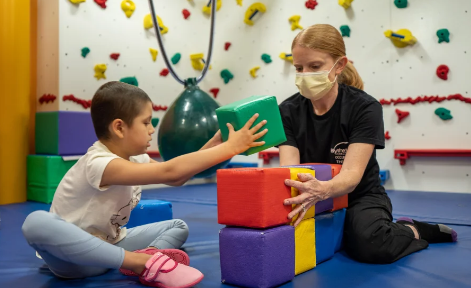
Improving Independence Through Occupational Therapy

Occupational therapy (OT) is a vital healthcare profession that focuses on enabling individuals to participate in meaningful activities of daily living. The primary goal of occupational therapy is to enhance the quality of life for individuals facing physical, emotional, or cognitive challenges. Occupational therapists assess a person’s abilities and limitations, then develop personalized intervention plans that promote independence and improve overall functioning.
This holistic approach considers not only the physical aspects of a person’s condition but also their emotional and social well-being, ensuring that therapy is tailored to the individual’s unique needs. In practice, occupational therapy can encompass a wide range of activities, from helping a child with developmental delays learn to write, to assisting an elderly person recovering from a stroke regain the ability to dress themselves. The versatility of OT allows NDIS occupational therapists to work in various settings, including hospitals, rehabilitation centers, schools, and clients’ homes.
By focusing on the specific tasks that are meaningful to each individual, occupational therapists empower their clients to reclaim control over their lives and engage in activities that bring them joy and fulfillment.
Identifying Areas of Need for Independence
The first step in the occupational therapy process is identifying the areas where an individual requires support to achieve greater independence. This assessment phase is crucial, as it lays the groundwork for effective intervention. Occupational therapists utilize various assessment tools and techniques, including interviews, standardized assessments, and observational methods, to gather comprehensive information about the individual’s capabilities and challenges.
This thorough evaluation helps pinpoint specific areas where assistance is needed, such as mobility, self-care, social interaction, or cognitive functioning. For instance, a therapist working with a stroke survivor may identify difficulties in fine motor skills that hinder the individual from performing daily tasks like buttoning a shirt or preparing meals. Similarly, a child with autism may struggle with social interactions and communication, necessitating targeted strategies to enhance these skills.
By recognizing these areas of need, occupational therapists can create focused intervention plans that address the unique challenges faced by each client, ultimately fostering greater independence in their daily lives.
Setting Goals for Independence
Once areas of need have been identified, the next step in the occupational therapy process involves setting specific, measurable goals aimed at promoting independence. Goal-setting is a collaborative effort between the therapist and the client, ensuring that the objectives are meaningful and relevant to the individual’s life. These goals should be realistic and achievable within a defined timeframe, allowing for gradual progress and motivation along the way.
For example, if an elderly client wishes to regain the ability to prepare simple meals independently, a therapist might set short-term goals such as learning to use kitchen utensils safely or following a basic recipe. Long-term goals could include planning and preparing a complete meal without assistance. By breaking down larger objectives into smaller, manageable steps, clients can experience success at each stage, reinforcing their motivation and commitment to the therapeutic process.
Developing Skills for Daily Living
A core component of occupational therapy is skill development for daily living activities. This encompasses a wide range of tasks essential for maintaining independence, including personal care routines (such as bathing and grooming), household chores (like cleaning and laundry), and community engagement (such as shopping or attending social events). Occupational therapists employ various techniques and strategies to help clients build these skills effectively.
For instance, when working with individuals who have experienced physical limitations due to injury or illness, therapists may incorporate adaptive techniques or exercises that enhance strength and coordination. They might use task analysis to break down complex activities into simpler steps, allowing clients to practice each component until they feel confident in their abilities. Additionally, role-playing scenarios can be beneficial for individuals needing to improve their social skills or communication abilities.
By providing opportunities for practice in a safe environment, therapists help clients develop the necessary skills to navigate daily life with greater ease.
Utilizing Assistive Devices and Technology
In many cases, occupational therapy involves the integration of assistive devices and technology to enhance independence. These tools can range from simple adaptations like grab bars in bathrooms to more complex devices such as voice-activated home automation systems. The selection of appropriate assistive technology is tailored to each individual’s needs and capabilities, ensuring that they can engage in daily activities more effectively.
For example, an individual with limited mobility may benefit from using a reacher or grabber tool to pick up items from the floor without straining themselves. Similarly, someone with visual impairments might utilize screen-reading software or magnifying devices to access information on electronic devices or read printed materials. Occupational therapists play a crucial role in educating clients about these tools and providing training on how to use them effectively.
By incorporating assistive devices into their daily routines, individuals can experience increased autonomy and improved quality of life.
Building Confidence and Self-Efficacy
A significant aspect of promoting independence through occupational therapy is fostering confidence and self-efficacy in clients. Many individuals facing challenges may struggle with feelings of inadequacy or fear of failure when attempting new tasks or activities. Occupational therapists work diligently to create an environment that encourages exploration and growth while providing support and guidance throughout the process.
Therapists often employ positive reinforcement techniques to celebrate small successes along the way. For instance, if a client successfully completes a task they previously found challenging—such as dressing independently—the therapist will acknowledge this achievement and encourage further attempts. This approach helps clients build resilience and develop a sense of mastery over their abilities.
Additionally, therapists may incorporate mindfulness practices or cognitive-behavioral strategies to help clients manage anxiety or negative thoughts related to their challenges. By cultivating a positive mindset and reinforcing self-belief, occupational therapy empowers individuals to take on new challenges with confidence.
Collaborating with Caregivers and Support Systems
Collaboration is essential in occupational therapy, particularly when it comes to involving caregivers and support systems in the therapeutic process. Family members, friends, and other caregivers play a crucial role in supporting individuals as they work towards greater independence. Occupational therapists recognize this dynamic and actively engage caregivers in goal-setting discussions and intervention planning.
By providing education and training for caregivers on how to assist individuals effectively, therapists ensure that support systems are equipped with the knowledge and skills necessary to facilitate independence. For example, if an individual is learning to manage their medications independently, caregivers can be trained on how to set up pill organizers or reminders without taking over the task entirely. This collaborative approach not only enhances the effectiveness of therapy but also fosters a sense of teamwork between clients and their support networks.
Maintaining Independence in the Long Term
Achieving independence is not merely about reaching specific goals; it also involves sustaining that independence and psychological safety over time. Occupational therapists play a critical role in helping individuals develop strategies for maintaining their newfound skills and adapting to any changes that may arise in their circumstances. This ongoing support is essential for ensuring that clients can continue to thrive independently as they navigate life’s challenges.
One effective strategy for long-term maintenance of independence is regular follow-up sessions with an occupational therapist. These sessions provide opportunities for clients to discuss any difficulties they may encounter while applying their skills in real-life situations. Therapists can then offer additional guidance or modifications as needed.
Furthermore, encouraging clients to engage in community resources—such as support groups or local programs—can foster social connections that reinforce their commitment to maintaining independence. By instilling a sense of ownership over their progress and providing ongoing support, occupational therapy helps individuals sustain their independence throughout various life stages.