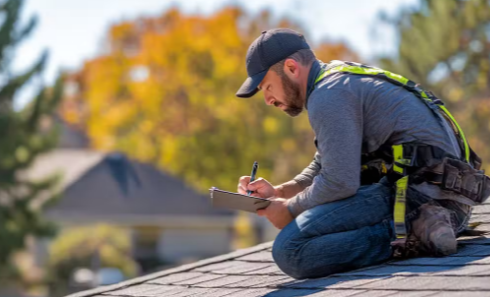
A Clear Advantage: Why Winter Is the Best Time for a Roof Inspection

The winter season brings cooler temperatures and a calmer weather pattern across Tampa Bay, creating an ideal environment for homeowners to evaluate the condition of their roofs. While many residents associate roof maintenance with the active summer and storm seasons, the winter months offer a quieter, more structured opportunity for a thorough inspection. Working with a trusted roofing company provides invaluable insight into the condition of shingles, tiles, flashing, and underlayment before the rainy months return. As roofers prepare for winter schedules, homeowners across the region can benefit from improved accessibility and greater assessment accuracy.
Seasonal Conditions That Support a Thorough Inspection
Winter in Tampa Bay is characterized by milder temperatures and lower rainfall, creating ideal conditions for roof evaluations. With less moisture in the air, surfaces remain dry and accessible. During periods of heavy rain, roofers can detect subtle issues that might otherwise go unnoticed. Detecting small cracks, early deterioration, and surface separation becomes easier, and the constant humidity no longer interferes with the examination of roofing materials.
The reduced risk of slippery conditions also increases inspection safety. Dry shingles and stable surfaces allow professionals to assess the whole structure with confidence. This creates an environment where roofers can move carefully and focus on thorough examination rather than weather-related challenges.
Winter Timing and Its Benefits for Tampa Bay Homeowners
Winter provides a valuable window for Tampa Bay residents to prepare their roofs before severe weather returns in the spring and summer. When homeowners schedule inspections during colder months, they give themselves ample time to plan for repairs or improvements without the pressure of incoming storms. Roof evaluations conducted early in the winter allow homeowners to address minor issues before they progress into more costly problems.
Additionally, roofing contractors often experience increased availability during winter. While summer and fall remain active seasons due to storms and hurricane preparation, winter offers greater scheduling flexibility. This allows roofers to provide detailed inspections and follow up with repairs on time.
Identifying Seasonal Wear and Tear
Throughout the year, roofs experience a range of conditions. Heat, heavy rain, UV exposure, and seasonal debris can gradually affect roofing materials. Winter inspections help identify damage caused by the previous season. Shingles that have expanded and contracted due to summer heat may show signs of loosening, while flashing may exhibit early separation after repeated exposure to moisture.
Roofers with experience in Tampa Bay understand how local climate patterns influence materials. Their knowledge helps them pinpoint issues that may seem minor at first but could become more significant as the wetter spring season begins.
Increased Accuracy During Cooler Months
Winter temperatures allow roofing materials to rest in a stable condition. During the summer, heat-induced expansion can mask specific problems. In cooler weather, materials settle into their natural shape, revealing areas that need attention. This helps inspectors identify misalignment, uneven wear, or warped sections with greater clarity.
Cooler weather also supports more precise measurements and material assessments. Sealants and adhesives hold their shape better at mild temperatures, giving roofers a more accurate picture of their current condition.
Preparing for Repairs During a Steady Season
Once a winter inspection is complete, homeowners can move forward with repairs at a steady pace. Winter is often the most predictable period of the year for scheduling roof work in Tampa Bay. Calm weather patterns help reduce the likelihood of delays, and dry conditions provide ideal working surfaces.
Roofers can address issues such as minor leaks, surface deterioration, lifted shingles, and weakened flashing with reduced interference from storms. Completing these repairs in winter ensures that the home remains protected when heavier rain and stronger winds return later in the year.
Frequently Asked Questions
Why is winter an ideal time for a roof inspection?
Cooler temperatures and dry conditions allow for more accurate assessments and easier access to roofing surfaces.
Do Tampa Bay roofs experience unique seasonal wear?
Yes. Intense sun, heavy rain, and humidity can gradually affect roofing materials throughout the year. Winter inspections help identify these changes.
Can roofers work efficiently during winter?
Winter offers stable weather patterns that support safe, steady inspection and repair schedules.
Should I schedule repairs immediately after the inspection?
Addressing issues before spring storms is recommended to help prevent additional wear or moisture intrusion.
A winter roof inspection offers a clear advantage for Tampa Bay homeowners who want to protect their property before the rainy seasons begin. With support from an experienced roofing company and trained roofers, your roof can be evaluated under the most stable conditions of the year. This helps ensure accurate assessments and timely repairs that strengthen the home for future weather. For dependable assistance with your winter inspection, visit Avatar Roofing.