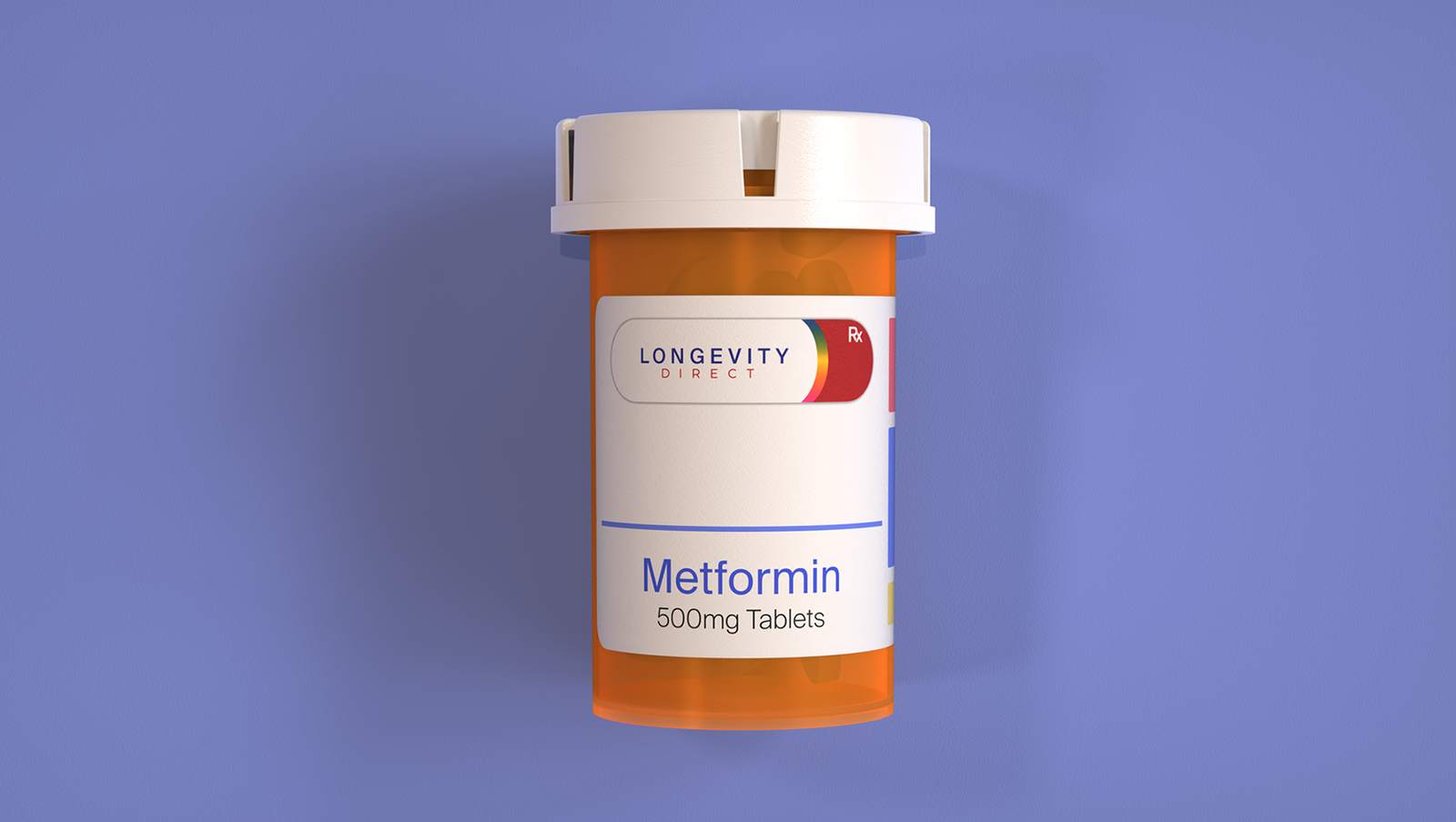
Metformina Natural: Exploring Its Benefits, Mechanisms, and Alternatives

The rise of natural health solutions has brought attention to the concept of Metformina natural, a plant-based or naturally derived alternative to the conventional metformin medication used to manage type 2 diabetes. This article explores what Metformina natural is, its potential benefits, mechanisms, and practical considerations for individuals seeking natural support for blood sugar regulation. We will also briefly touch on Rapamycin cost, as emerging research links longevity and metabolic health interventions.
What is Metformina Natural?
Metformina natural refers to compounds or plant-based remedies that mimic or support the action of pharmaceutical metformin without relying on synthetic chemicals. Traditional metformin, a first-line treatment for type 2 diabetes, works by improving insulin sensitivity, reducing hepatic glucose production, and enhancing peripheral glucose uptake. Natural alternatives aim to achieve similar metabolic effects while offering fewer side effects.
Common sources of natural metformin-like effects include:
- Berberine – An alkaloid extracted from plants like Berberis aristata and Coptis chinensis, berberine has demonstrated glucose-lowering properties comparable to metformin.
- Bitter Melon (Momordica charantia) – A fruit traditionally used in Asian medicine, bitter melon contains bioactive compounds that stimulate glucose uptake and improve insulin sensitivity.
- Fenugreek Seeds – Rich in soluble fiber and saponins, fenugreek slows carbohydrate absorption and promotes balanced blood sugar levels.
- Cinnamon Extracts – Certain compounds in cinnamon improve insulin signaling and glucose metabolism.
These natural agents have gained popularity due to their perceived safety profile and additional health benefits, including anti-inflammatory and antioxidant effects.
How Metformina Natural Works in the Body
Understanding the mechanisms behind Metformina natural is crucial to appreciating its role in metabolic health. Although each natural compound has unique properties, most work through overlapping pathways:
1. Activation of AMPK
A key pathway influenced by natural metformin alternatives is the activation of AMP-activated protein kinase (AMPK). AMPK is often described as the “cellular energy sensor,” as it regulates glucose and lipid metabolism. By activating AMPK, compounds like berberine mimic the glucose-lowering effects of pharmaceutical metformin. This results in reduced hepatic glucose production and increased glucose uptake in muscle tissues.
2. Modulation of Gut Microbiota
Recent studies suggest that both metformin and its natural counterparts can alter gut microbiota composition. A healthy microbiome improves insulin sensitivity and reduces systemic inflammation, which supports overall metabolic function. Bitter melon, for example, has been shown to positively influence gut bacteria associated with glucose metabolism.
3. Antioxidant and Anti-Inflammatory Effects
Chronic inflammation and oxidative stress are major contributors to insulin resistance. Many natural compounds used in Metformina natural formulations provide antioxidant support, which helps mitigate these metabolic stressors. Fenugreek, cinnamon, and berberine all exhibit anti-inflammatory properties, further enhancing glucose control.
Benefits of Metformina Natural
While research is ongoing, emerging evidence suggests several potential advantages of using natural alternatives to metformin:
1. Blood Sugar Management
Several clinical trials indicate that berberine and other plant extracts can lower fasting blood glucose and HbA1c levels comparably to standard metformin therapy.
2. Weight Management
Natural compounds often support weight reduction by improving insulin sensitivity, regulating appetite, and modulating fat metabolism. This can be particularly beneficial for individuals with type 2 diabetes and metabolic syndrome.
3. Cardiovascular Protection
Some natural agents reduce LDL cholesterol and triglycerides while increasing HDL cholesterol, supporting heart health—a critical consideration for individuals managing diabetes.
4. Fewer Side Effects
Gastrointestinal discomfort is a common side effect of pharmaceutical metformin. Many users report better tolerance with Metformina natural alternatives, although individual responses may vary.
Considerations and Precautions
Despite the benefits, there are important considerations for using Metformina natural:
- Quality and Standardization – Not all supplements are created equal. The potency of plant extracts can vary significantly.
- Drug Interactions – Natural compounds may interact with prescription medications, including blood thinners and antihypertensives.
- Monitoring – Regular blood sugar monitoring is essential to prevent hypoglycemia or uncontrolled hyperglycemia.
Consulting with a healthcare provider before switching or combining natural and pharmaceutical options is strongly recommended.
Natural Alternatives vs. Pharmaceutical Metformin
While natural compounds show promising effects, it is important to recognize the differences between Metformina natural and prescription metformin:
| Feature | Metformin | Metformina Natural |
| Mechanism | Activates AMPK, reduces hepatic glucose | Activates AMPK (berberine), improves insulin sensitivity |
| Clinical Evidence | Extensive, long-term studies | Moderate, emerging research |
| Side Effects | GI discomfort, rare lactic acidosis | Generally milder, but variable |
| Accessibility | Prescription required | Widely available as supplements |
Rapamycin Cost: A Brief Overview
While exploring natural alternatives like Metformina natural, it is also relevant to consider other longevity and metabolic interventions. Rapamycin, a drug originally used for immunosuppression, has attracted attention for its potential anti-aging and metabolic benefits.
The Rapamycin cost can vary depending on dosage, formulation, and location. Typically, generic rapamycin may range from $100 to $400 per month for standard dosing, though prices fluctuate widely based on suppliers and insurance coverage.
Rapamycin’s mechanisms, particularly its inhibition of mTOR (mechanistic target of rapamycin), complement some effects of metformin by promoting autophagy, reducing inflammation, and enhancing cellular repair. While both are being studied for longevity, combining interventions should be carefully monitored under medical supervision.
Integrating Metformina Natural into Daily Life
For those interested in incorporating Metformina natural, here are some practical tips:
- Start Slowly – Introduce one supplement at a time to assess tolerance.
- Pair with Lifestyle Changes – Exercise, a balanced diet, and stress management enhance the effects of natural compounds.
- Monitor Health Metrics – Regular glucose checks, lipid panels, and physician consultations ensure safe and effective use.
- Quality Matters – Choose standardized extracts from reputable suppliers to ensure efficacy.
Future Perspectives
Research into Metformina natural is expanding, with promising studies highlighting the potential for natural compounds to complement or even partially replace pharmaceutical metformin in certain populations. Ongoing trials aim to determine optimal dosages, long-term safety, and synergistic effects with other metabolic interventions, including lifestyle modifications and medications like rapamycin.
Conclusion
Metformina natural offers a promising alternative for individuals seeking plant-based or naturally derived support for blood sugar management and metabolic health. By harnessing compounds like berberine, bitter melon, fenugreek, and cinnamon, natural alternatives can mimic several of the benefits of pharmaceutical metformin while potentially reducing side effects.
Understanding Rapamycin cost and its metabolic benefits further highlights the growing interest in interventions that support longevity and cellular health. Whether pursuing natural compounds or pharmaceutical approaches, individualized care and professional guidance remain essential for safety and effectiveness.